Key Takeaways
- Cuestas and hogbacks serve as significant geopolitical boundaries, often influencing administrative lines and land use.
- The formation and orientation of cuestas and hogbacks affect how regions are divided, managed, and accessed by human populations.
- Cuestas typically present a gentle slope on one side and a steep slope on the other, shaping how boundaries are perceived and utilized.
- Hogbacks are marked by their near-symmetrical, steeply inclined slopes, offering a distinct barrier in the landscape that can delineate territories.
- Understanding the differences between these landforms helps clarify their roles in political geography and regional planning.
What is Cuesta?
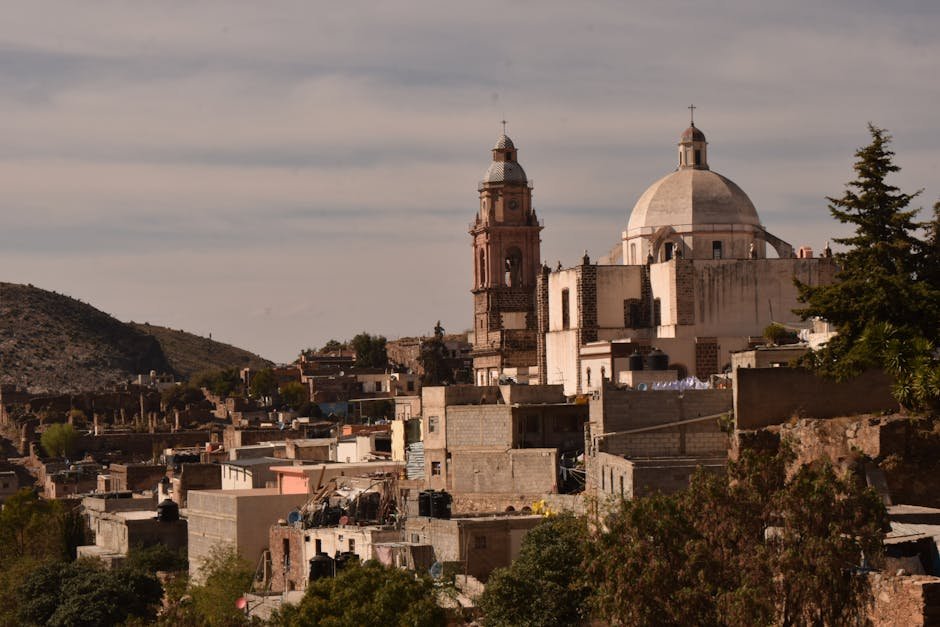
A cuesta is a landform characterized by a gentle dip slope on one side and a steep escarpment on the other, commonly serving as a natural boundary. In geopolitical terms, cuestas often demarcate territories and influence jurisdictional divisions.
Role in Defining Territorial Borders
Cuestas frequently act as prominent physical markers, providing clear separation between regions or administrative zones. Their visibility and consistent shape make them reliable reference points for delineating boundaries, especially in areas lacking other obvious markers.
For example, in central Europe, several regional borders follow the line of cuestas, as their topography offers both a defensive advantage and a distinguishing feature on maps. This historical use continues to influence present-day boundaries, particularly in rural or undeveloped areas.
Because of their gradual dip slope, cuestas are less imposing than vertical cliffs but still create a perceptible division in the landscape. This makes them suitable for boundaries that need to be navigable but still evident to those traversing the area.
In some instances, the division created by a cuesta aligns with cultural or linguistic boundaries, reinforcing the separation between groups. This interplay between physical geography and human settlement patterns highlights the cuesta’s role in shaping regional identities.
Geomorphological Formation and Its Boundary Implications
Cuestas are formed through the differential erosion of tilted sedimentary rock layers, typically where a resistant caprock overlays softer strata. This geological process results in a distinctive profile that can stretch for kilometers, making it an enduring feature for boundary placement.
The gradual dip slope allows for easier passage and settlement on one side, while the escarpment side often remains less accessible. As a result, administrative borders may follow the crest or the base of the cuesta, depending on historical and practical considerations.
Unlike artificial boundaries, the physical persistence of a cuesta means that it remains a stable marker even as land use changes around it. This stability reduces disputes and provides a clear reference during land surveys or when updating political maps.
Over time, the erosion that shapes cuestas can also subtly shift the exact position of a boundary if it is not periodically reassessed. This dynamic can introduce challenges in regions where the physical and legal boundaries are tightly linked.
Impact on Transportation and Access
The asymmetrical profile of a cuesta influences the development of infrastructure such as roads, railways, and pipelines. Routes often follow the gentle slope for easier construction and maintenance, avoiding the steep escarpment when possible.
As a result, regions separated by a cuesta may develop distinct transportation networks, reinforcing the boundary’s significance. In some cases, the cuesta itself becomes a corridor for movement, with paths and settlements clustering along its base or crest.
Where boundaries correspond to a cuesta, access between neighboring regions may be limited to certain crossing points, affecting trade, communication, and emergency response. This can enhance the role of the cuesta as not just a physical but also a functional boundary.
Authorities sometimes invest in tunnels or engineered cuts to facilitate movement across the cuesta, reflecting its influence on regional connectivity. Such interventions, however, require significant planning due to the cuesta’s geological complexity.
Socioeconomic and Cultural Influence
The presence of a cuesta as a boundary often shapes the distribution of communities, land use, and economic activities. Settlements may cluster on the more accessible dip slope, while the escarpment side remains sparsely populated or reserved for specific uses.
This pattern can lead to differences in agriculture, industry, and resource management on either side of the cuesta. Over generations, these differences become embedded in local cultures, with the cuesta serving as both a literal and symbolic divide.
Cultural traditions, dialects, and even festivals may align with the boundary established by the cuesta, reinforcing its significance beyond mere geography. In some regions, stories and folklore reference the cuesta as a defining element of the landscape.
Such cultural divisions can persist even as political boundaries shift, underscoring the lasting impact of cuestas on the identity and cohesion of communities.
What is Hogback?
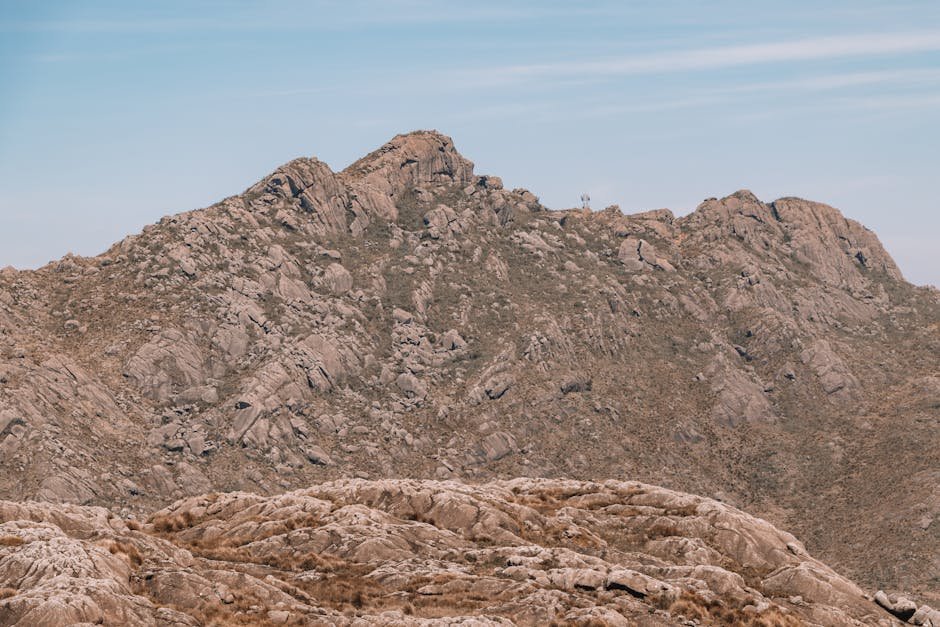
A hogback is a sharp, narrow ridge with steeply inclined slopes on both sides, often resulting from the erosion of resistant rock layers. In geopolitical contexts, hogbacks serve as formidable barriers that delineate administrative boundaries and influence settlement patterns.
Function as a Natural Barrier
Hogbacks are notable for their steep, almost symmetrical slopes, which create a formidable obstacle in the landscape. This characteristic makes them effective natural boundaries that are difficult to cross or alter.
In many parts of the world, regional or national boundaries have been drawn along hogbacks to take advantage of their defensive properties. For instance, in parts of North America, hogbacks separate river basins and serve as county or state lines.
The distinct topography of a hogback can discourage encroachment and limit the movement of people, livestock, and vehicles, reinforcing its status as a geopolitical divide. This function has been recognized and utilized by governments throughout history.
Because hogbacks are less conducive to agriculture or settlement, the land on either side may develop independently, with minimal interaction across the boundary. This physical separation can have long-term implications for regional development.
Geological Structure and Stability
Hogbacks form where steeply tilted strata of hard rock resist erosion, often creating a narrow ridge that persists for vast distances. The resilience of these rock layers means that hogbacks are highly stable features, unlikely to shift over human timescales.
This reliability makes hogbacks attractive for use in defining permanent boundaries. Surveyors and policymakers can depend on the hogback’s position for decades or centuries, reducing the likelihood of disputes.
In some regions, hogbacks coincide with mineral resources or watershed divides, adding to their strategic significance. The combination of physical prominence and resource implications can make hogbacks focal points in boundary negotiations.
Despite their robustness, hogbacks can present challenges when infrastructure must cross them, leading to costly engineering projects or the selection of alternative routes.
Influence on Settlement and Land Use Patterns
The steepness and narrowness of hogbacks limit their suitability for habitation or agriculture, directing settlement to adjacent valleys or plains. This creates a stark contrast in land use on either side of the ridge.
In areas where a hogback forms a boundary, population density may be higher on the more accessible side, with the ridge itself remaining undeveloped. Such patterns can persist for generations, shaping the character and economy of neighboring regions.
Where hogbacks are especially prominent, their presence can affect local climate, water flow, and even the spread of flora and fauna. These environmental factors further reinforce the hogback’s role as a meaningful boundary.
The division created by a hogback may also influence transportation corridors, with roads and railways skirting the ridge rather than crossing it directly. This can lead to the development of distinct economic zones on either side.
Strategic and Political Significance
Historically, hogbacks have been chosen as boundaries in areas where military defense or territorial control is a priority. Their steep slopes and narrow crests make them difficult to breach, offering a natural line of defense.
In modern contexts, hogbacks remain relevant as administrative boundaries, especially where their location aligns with other jurisdictional needs. Their visibility on satellite imagery and maps aids in the clear demarcation of territories.
Conflicts over resources or jurisdiction are less common along hogbacks due to their unamb