Cherry Blossom Spots in Japan are the heart of spring travel, drawing visitors to parks and temple grounds, riversides and castle moats. Cherry Blossom Spots in Japan include city gardens, mountain valleys, coastal promenades, and historic parks where cherry blossoms in Japan bloom along walking routes and over water.
Cherry Blossom Spots in Japan guide choices for a sakura trip or hotel stay near blossom views, since Cherry Blossom Spots in Japan draw photographers and families each spring.
Ueno Park: Tokyo’s lively hanami hub

Photo by Nizar Firmansyah on Pexels
Ueno Park fills with rows of cherry trees along paved paths, museums nearby and long alleys for hanami picnics beneath low branches. In spring the park crowds for evening light-ups and vendors, creating a festive atmosphere where families, friends, and solo walkers wander among petals near museum museums.
Arrive early to stroll quieter lanes and grab a bento from nearby stalls, or linger into dusk when lanterns glow over the paths. Ueno’s pond and Shinobazu Canal offer reflections of pale petals, while National Museum and zoo visits pair with a full day of blossom viewing.
Meguro River: Cherry-lined evening strolls along Tokyo canals
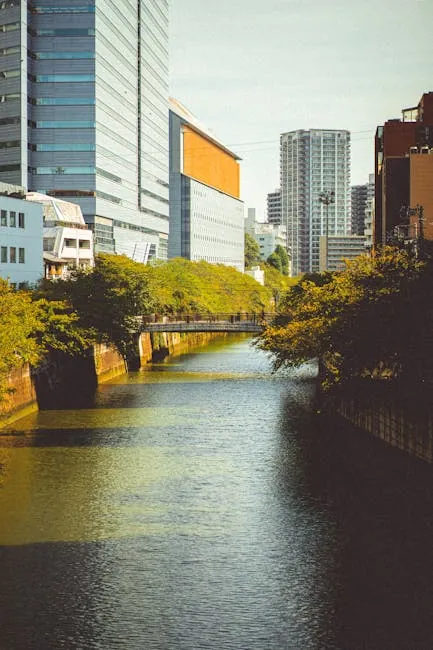
Photo by Szymon Shields on Pexels
Meguro River has continuous tunnels of cherry trees arching over the water, creating ribbons of petals reflected on the canal surface. Cafes and pop-up stalls line the banks, while small bridges frame close-up views and photographers arrive for the tunnel of pale blooms that sweep the river.
Evening illuminations turn Meguro into a lantern-lit corridor where crowds stroll slowly along the promenade. Plan a riverside dinner or an early boat trip nearby, and aim for late March to early April when the canopy reaches its peak in central Tokyo.
Shinjuku Gyoen: Calm gardens in busy Tokyo

Photo by Travel with Lenses on Pexels
Shinjuku Gyoen blends Japanese, English, and French garden styles across wide lawns and clustered cherry trees, offering breathing room inside the city. Controlled visitor numbers and designated picnic spots give a calmer hanami experience compared with noisy street celebrations, ideal for relaxed walks and photography among varied tree varieties.
Pick up an on-site map to explore tea houses, greenhouses, and seasonal plantings that complement the blossoms. Bring a picnic blanket and arrive mid-morning to avoid the busiest gates, watching forecasts for the typical late March to early April bloom window.
Chidorigafuchi Moat: Castle moat and lanterns at night

Photo by Natsuko Aoyama on Pexels
Chidorigafuchi wraps the Imperial Palace with a narrow, tree-lined moat where cherry trees dip toward the water and petals float past stone walls. Rowboats glide beneath low branches for reflections that photographers prize, while evening lanterns cast soft light along the walkway beside the moat.
The walking path runs beside the moat with access to boat rentals at busy times, and spring queues form early. Combine a castle-area stroll with nearby museums and temples, timing visits for late March evenings when the illuminated blossoms show a different mood.
Sumida Park: Rivers and sweeping skyline views
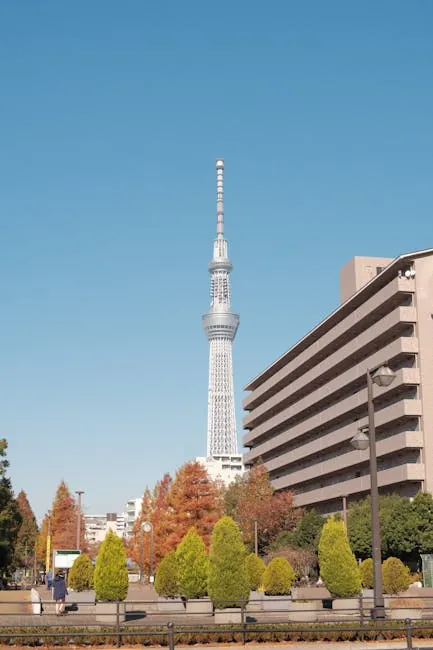
Sumida Park sits along the river with long lines of cherry trees that offer foreground blossoms framed against the Tokyo skyline and Skytree. Promenades, festival stalls, and bench areas invite slow walking while river ferries cross near the petals. The mix of modern towers and soft pink trees makes for a striking contrast.
Stroll between Asakusa and Skytree areas, pausing for riverside vendors or a short cruise under blossom arches. Weekday mornings tend to be quieter, and bridges provide photo vantage points that capture both sakura and city silhouettes during bloom.
Philosopher’s Path: Quiet stroll along Kyoto canals

Philosopher’s Path follows a narrow canal lined with hundreds of cherry trees and small temples in a residential Kyoto neighborhood. The walking route moves past mossy stone lanterns, tiny shrines, and tea houses that open onto the water, creating a meditative hanami atmosphere far from the busiest temple plazas.
Early mornings reward visitors with softer light and fewer crowds; stop at neighborhood cafes for tea and sweets en route. Combine the walk with nearby Ginkaku-ji and Nanzen-ji temples to round out a contemplative day of cherry viewing.
Maruyama Park: Kyoto’s festival-lit cherry avenue

Photo by Ryutaro Tsukata on Pexels
Maruyama Park centers on a famous weeping cherry tree that becomes a focal point for evening lights and local gatherings during bloom. Paths fan out under dozens of trees, and food stalls line the approaches, creating a lively festival feel while temples nearby add historic context to the scene.
The iconic weeping tree is illuminated at night, attracting evening strollers and photographers. Consider visiting adjacent Yasaka Shrine and strolling the surrounding Gion streets afterward to combine shrine visits with hanami energy and seasonal street food.
Kiyomizu-dera: Temple views framed by sakura
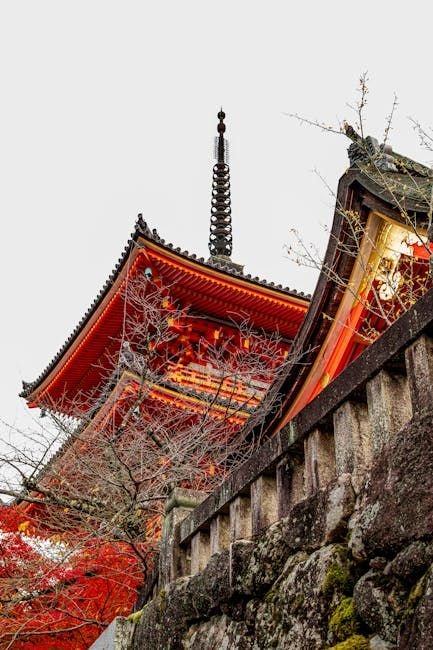
Photo by Emiliano Lara on Pexels
Kiyomizu-dera’s wooden veranda overlooks Kyoto city with hillside cherry trees framing wide views; during spring the temple terraces fill with blossoms and lanterns. The approach up narrow lanes offers moments of intimacy between shops and flowering branches, while the main hall lookouts capture petal-strewn rooftops.
Arrive before midday to move through narrow pilgrim routes and enjoy quieter viewpoints. Pair the temple visit with nearby Sannen-zaka and Ninen-zaka walks for tea houses and crafts that complement the sakura scenes around the site.
Togetsukyo Bridge: Riverside blossoms in Arashiyama
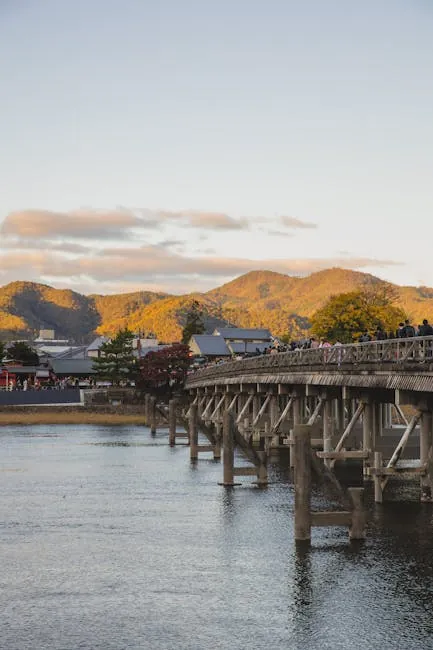
Photo by Ryutaro Tsukata on Pexels
Togetsukyo Bridge crosses the Oi River with willow-lined banks and cherry trees that stretch along the water in Arashiyama. Wooden boats and river reflections make for classic images, while nearby bamboo groves and mountain backdrops provide varied scenery within easy walking distance of the bridge.
The area fills with day visitors, so start at side streets to find quieter viewing spots and riverside cafes. Combine a morning boat ride with an afternoon temple visit, timing the trip for late March to early April blooms on the outer edges of Kyoto.
Hirosaki Castle Park: Endless blossoms and castle moat

Photo by Magda Ehlers on Pexels
Hirosaki Castle Park in Aomori surrounds a historic donjon with hundreds of cherry trees that ring each side of the moat, forming a pink frame around turrets and stonework. Spring festival stalls ring the grounds, while morning mist and low light enhance reflections in the water near the ramparts.
Boat rentals offer a different angle beneath overhanging branches, and seasonal footpaths guide visitors around the ramparts. Hirosaki’s bloom often arrives later than in southern cities, making it a favorite for extended spring trips northward.
Mount Yoshino: Hillsides filled with layered cherry groves
Photo by Emiliano Lara on Pexels
Mount Yoshino in Nara is renowned for thousands of cherry trees planted in terraces along the slopes, creating layered bands of blossoms that change from base to summit. Trails link small villages and viewpoints where pagodas and shrines peek through stands of sakura, offering dramatic panoramas.
Walking routes suit varied fitness levels and local buses connect trailheads, so plan a full-day visit to move between lower and upper groves. Peak bloom often progresses up the mountain, so check timing to catch the most colorful tiers.
Takato Castle Park: Historic hilltop sakura spectacle

Photo by Alisa Skripina on Pexels
Takato Castle Park in Nagano occupies a hillside full of compact, deep-petaled cherry varieties that create a dense pink canopy over winding paths. The park’s hilltop vantage points offer close-in views of clustered branches and a sense of stepping into an older-style hanami garden.
Festive stalls and local crafts appear during the bloom, adding regional flavors to the visit. Combine Takato with nearby mountain scenery for a longer itinerary and check bloom forecasts because the timing can differ from lowland city schedules.
Miharu Takizakura: Ancient weeping cherry tree in Fukushima

Miharu’s Takizakura is a lone, sprawling weeping cherry tree centuries old, standing in a field near small town streets with a canopy that droops like a waterfall of petals. Viewing platforms and viewing hours are established to protect the tree while allowing visitors a close, respectful look at the venerable specimen.
Local vendors offer snacks and souvenirs, and rural roads around the site provide quiet drives between nearby viewpoints. Weather patterns and seasonal care can affect access, so consult local notices before planning the trip.
Chureito Pagoda: Mt. Fuji and layered cherry frames
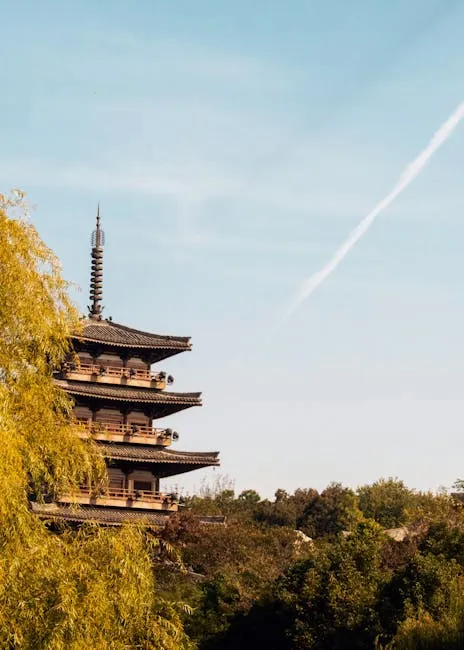
Chureito Pagoda in Fujiyoshida sits on a hillside where a five-storied pagoda aligns with Mt. Fuji and foreground cherry trees during spring, creating an iconic layered composition. The climb up stone steps rewards visitors with framed views that pair mountain silhouette, temple architecture, and delicate blossoms.
Arrive early to avoid crowds at the classic viewpoint and pick different angles along nearby terraces for varied compositions. Clear weather makes this spot especially photogenic, though blossoms can shift around the same time as regional spring fronts.
Goryokaku Park: Star-shaped fort surrounded by sakura

Photo by minami okamoto on Pexels
Goryokaku Park in Hakodate features a star-shaped, Western-style fort whose moat and ramparts are lined with cherry trees that create a geometric bloom pattern best seen from the observation tower. Paths wind around the fortification, offering both close tree views and aerial perspectives of the pink star.
Visit the Hakodate tower for the overhead shot, then stroll the ramparts and inner grounds for quieter moments. Timing is later in the season compared with central Honshu, making it a good stop for extended northern spring travel.
Kakunodate: Samurai streets lined with late-bloom cherry trees

Photo by Maarten Ceulemans on Pexels
Kakunodate in Akita preserves old samurai residences along narrow lanes shaded by tall cherry trees, producing a historic hanami route where wooden storehouses and gardens meet seasonal petals. The tree-lined streets create a photogenic corridor blending architecture and nature in a small-town setting.
Many samurai houses open as museums and craft shops, allowing a slow cultural walk between viewing spots. Bloom timing here can be later than in southern cities, so include Kakunodate on a northern spring leg of a trip.
Kairakuen: Historic garden with broad cherry avenues

Photo by RDNE Stock project on Pexels
Kairakuen in Mito is famous for broad garden layouts, teahouses, and sweeping paths that meet lines of cherry trees and plum groves. Visitors can wander formal ponds, hill viewpoints, and shaded lanes that present alternate floral scenes, with seasonal displays accented by traditional garden design.
The garden often stages seasonal events and has quieter corners for relaxed hanami away from main lanes. Combine a garden visit with local museums and river walks to round out a day in the Mito area during bloom season.
Himeji Castle: White walls and rivers of cherry petals

Himeji Castle, with its white plaster towers and defensive moats, sits amid trees that flood the grounds with pale pink petals in spring. Walking paths around the castle permit close-up views of blossoms against historic stone and timber, while elevated angles show petals drifting through the compound.
Combine an early castle entry with a slow circuit around the outer gardens for different angles and fewer people. Nearby tea houses and parks expand viewing options, and seasonal displays highlight the castle silhouette with cherry foregrounds.
Osaka Castle Park: Urban green expanse with sakura
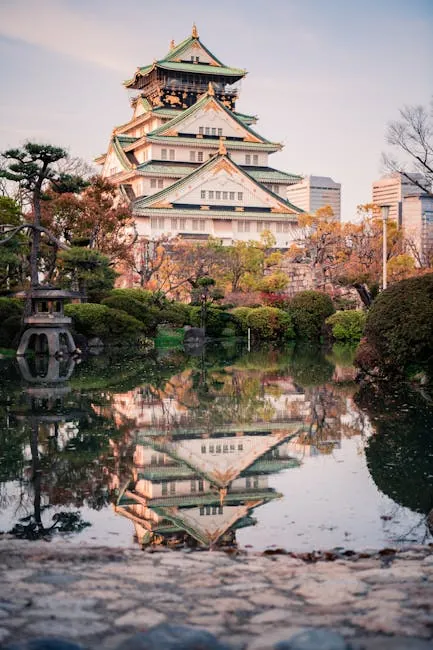
Photo by Satoshi Hirayama on Pexels
Osaka Castle Park surrounds the restored castle tower with open lawns and rows of cherry trees, offering large staging areas for hanami gatherings and festival stalls in season. The park’s mix of formal gardens, moats, and walking routes creates multiple vantage points for blossom photography and relaxed outings.
Weekday mornings and early afternoons tend to be less crowded for long walks; consider pairing the castle area with nearby museums and river promenades. Seasonal markets and special events often activate fields during peak bloom weeks.
Nakameguro: Trendy canalside walk with cafés and blossoms

Photo by Yuri Yuhara on Pexels
Nakameguro lines its canal with cherry trees that arch over narrow water, with boutique cafes, design shops, and small galleries set close to the banks. The area blends urban lifestyle and hanami culture, where evening lights and riverside terraces create a lively, modern sakura scene.
Weekends draw crowds who stroll and stop at specialty coffee shops; quieter weekday mornings offer better breathing room. Small bridges and alleyways provide intimate photo spots, while evening illuminations change the tone of the canalside walk.
Kawazu Cherry Trees: Early-bloom festival on the Izu coast

Kawazu on the Izu Peninsula is famed for early-bloom cherry trees that flower weeks before many mainland varieties, drawing festival crowds to coastal promenades and river walks. Long lines of pink blossoms along the Kawazu River create an extended viewing window for those traveling earlier in the season.
Stalls, boat rides, and coastal views combine to make a relaxed seaside hanami itinerary; nearby hot springs and seafood restaurants round out a day trip. Timing here favors mid to late February through March, depending on the year.