Cherry Blossom Photo Spots in Tokyo feel iconic, while cherry blossom photo spots in Kyoto offer temple-framed sakura moments. Cherry blossom spots in Washington, D.C. host tidal basin reflections, and cherry blossom photography in Seoul highlights riverside rows. Cherry blossom photo spots in parks and streets make spring travel, vacation, and trip itineraries bloom.
Cherry blossom photo spots in gardens, temple grounds, waterfront promenades, and avenues offer seasonal floral scenes to visit and explore during spring trips.
Ueno Park — Tokyo’s spring sakura spectacle

Photo by Ekam Juneja on Pexels
Ueno Park’s wide avenues and ponds fill with cherry trees each spring, offering a soft canopy for photographers and festival energy near museums. Lanterns and weekend crowds create lively compositions, while reflections in Shinobazu Pond frame blossoms against city architecture for varied photo angles.
Go early on weekdays to avoid the thickest crowds; bring a wide-angle lens for canopy shots and a telephoto for close-ups. Mix handheld evening exposures of lantern-lit trees with daytime panoramas, and pair blossoms with museum facades or boating scenes on Shinobazu for varied portfolio images.
Meguro River Cherry Blossoms: riverside tunnel photos

Photo by Yuri Yuhara on Pexels
Meguro River becomes a pastel corridor when sakura bloom, with trees arching over walkways and soft reflections on water. Strings of lanterns and riverside cafes add warm highlights to sunset frames, while bridges and boat reflections provide layered compositions ideal for strolling photographers seeking intimate urban blossom scenes.
Visit during golden hour for glowing petals and mirrored river shots, or after rain for saturated tones. Use a 35mm or 50mm for moody street-level portraits, and explore side alleys for quieter compositions away from the busiest stretches around Nakameguro station and popular weekend viewpoints.
Chidorigafuchi Moat: moat reflections and petals

Photo by Natsuko Aoyama on Pexels
Chidorigafuchi’s tree-lined moat offers iconic sakura arches reflected on glassy water near the Imperial Palace, creating mirror-symmetric compositions. Rowboats drift under low branches and stone bridges punctuate long exposures, while early morning light and calm air produce soft pastels favored by portrait and landscape photographers.
Arrive before sunrise or during weekday mornings to avoid crowds and secure a boat rental for foreground interest. Bring neutral density filters for silky water shots and a tripod for low-light lantern scenes along the promenade, where banners and historic stone walls add contextual texture.
Philosopher’s Path in Kyoto: contemplative blossom walk
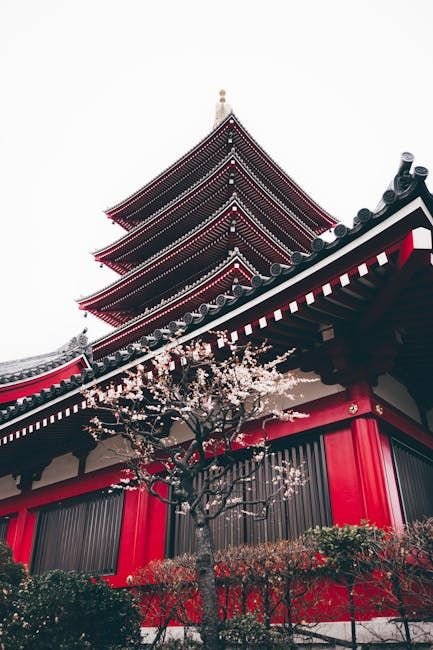
Photo by Andrea De Santis on Pexels
The Philosopher’s Path follows a canal lined with cherry trees, offering gentle, reflective compositions framed by traditional homes and small temples. Lined benches, stone lanterns, and narrow footbridges invite close-up details; morning mist and fallen petals create poetic frames that suit both candid portraits and soft landscape shots.
Combine blossoms with nearby Nanzen-ji or Ginkaku-ji temple scenes for architectural contrast. Use a 50mm for intimate portraits and a 24mm for path panoramas, and linger in side alleys to catch quieter light when tour groups head toward the main shrines and open courtyards.
Maruyama Park and Yasaka Shrine photo spots

Photo by Ryutaro Tsukata on Pexels
Maruyama Park centers on a huge weeping cherry tree that glows at night when lit by lanterns, offering dramatic vertical compositions. Nearby Yasaka Shrine provides torii frames and stone steps covered with petals, blending spiritual architecture with blossom-focused portrait opportunities and evening festival atmosphere.
Arrive after sunset for illuminated tree photography, using high ISO or a tripod for longer exposures. Capture pilgrims and shrine rituals alongside blossoms for cultural context, or step into adjoining lanes for quieter tea houses and intimate close-ups away from the park’s main gathering spot.
Hirosaki Castle Park: moat, castle, and sakura

Photo by SANZU TAMU on Pexels
Hirosaki Castle Park surrounds a black-walled castle with moats reflecting thousands of cherry trees, creating pastel mirror images in spring. Petal-strewn pathways, stone bridges, and traditional castle gates offer layered compositions that pair historical architecture with sweeping blossom displays favored by festival photographers and landscape lovers.
Attend the Hirosaki Cherry Blossom Festival for illuminated evening shots and boat reflections; crowds thin early morning for serene panoramas. Try a wide lens for moat panoramas and a telephoto to isolate castle turrets framed by blossoms, and plan to photograph castle grounds from the western stone bridge vantage.
Mount Yoshino’s layered cherry-covered slopes for sweeping spring views

Photo by SANZU TAMU on Pexels
Mount Yoshino showcases thousands of cherry trees planted across terraces, producing gradated bands of bloom cascading down the valley. Narrow mountain roads, old wooden temples, and misty ridgelines make dramatic perspectives for wide-format shots, while local tea shops and hiking trails provide varied foreground interest.
Plan for sunrise or late afternoon light to emphasize depth between terraces, or wait for fog for ethereal photos. Use a tripod for telephoto compression to stack layers, and explore side paths toward tiny shrines and viewpoints that reveal cascading pink bands over the valley.
Takato Castle Park in Nagano: vibrant pink grove

Takato Castle Park is famous for ongitani (some cherry variety) pink blossoms forming dense canopies that create candy-pink tunnels and close-up petal textures. The compact grounds make it easy to compose intimate frames against castle ruins, stone walls, and winding paths filled with floral color.
Visit mid-morning for soft side-light and balanced exposures, and experiment with low angles to emphasize petal textures and overhead tunnels. Bring a macro or short telephoto for detail work, and wander beyond the main grove to catch quieter scenes along adjacent shrine steps and mossy stone lanterns.
Kawazu cherry trees along Izu riverbanks

Photo by Yuri Yuhara on Pexels
Kawazu in the Izu Peninsula blooms earlier with long-stemmed, vivid-pink kawazu-zakura along rivers and promenades, creating continuous ribbons of color. Low trunks and long viewing paths allow for layered compositions, and the festival vibe pairs floral shots with local food stalls and coastal cliffs nearby.
Plan an early morning stroll for soft side-light and fewer visitors; evening illuminations offer moodier frames. Include coastal views at Irozaki Cape or river reflections for variety, and bring a polarizer to manage glare on water while emphasizing petal color against blue skies.
Miharu Takizakura: ancient waterfall-like cherry tree in Fukushima

Photo by Yu Han Huang on Pexels
Miharu Takizakura is a famed thousand-year-old weeping cherry whose cascading branches resemble a floral waterfall, set amid open fields. Wide-angle frames capture the tree’s monumental spread and visitor platforms, while close-ups of drooping branches emphasize petal density and delicate textures against rural skies.
Arrive at sunrise for soft backlight through the cascades, and use a telephoto to compress branch layers. Seasonal crowds gather close to viewing platforms, so consider longer lenses for isolated portraits; pair the tree with local farm landscapes and hilltop compositions for context.
Goryokaku Park star fort and cherry blossoms

Photo by minami okamoto on Pexels
Goryokaku Park encircles a star-shaped fort where cherry trees bloom along geometric moats, best seen from the Goryokaku Tower observation deck. Aerial perspectives highlight pink rings around the star, while ground-level shots focus on lantern-lined paths, stonework, and park ponds for varied visual storytelling.
Book observation deck access for wide elevated frames or scout a nearby hill for drone options where allowed. Early morning light reduces visitor shadows, and handheld telephoto shots from moats can capture reflections and lantern details while vertical compositions emphasize the star fortress shape framed by blooms.
Tidal Basin, Washington D.C.: cherry blossoms and monuments
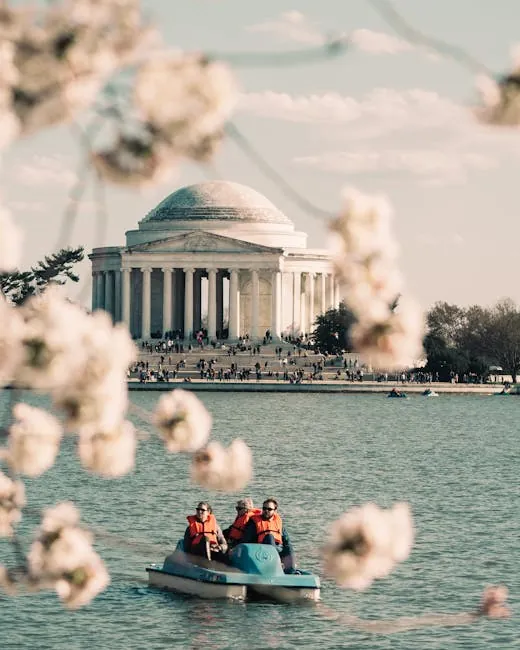
Photo by Nima Farahani on Pexels
The Tidal Basin surrounds the Jefferson Memorial with miles of blossoming Yoshino cherries that mirror in the water, creating iconic monument-and-sakura frames. Sunrise and sunset provide golden side-light on petals, while long exposures smooth water reflections and isolate blooms against neoclassical silhouettes.
Visit before the midday crowds and consider weekday mornings for reflection shots; paddle trails may offer alternate water angles. Use a wide lens for sweeping monument views and a telephoto for compressed blossom rows, and explore paths toward the Martin Luther King Jr. Memorial for quieter vignettes.
Brooklyn Botanic Garden: cherry esplanade and pond

Photo by Michael Burrows on Pexels
Brooklyn Botanic Garden’s Cherry Esplanade and Japanese Hill-and-Pond Garden combine curated plantings with reflective water features, lanterns, and winding paths. The esplanade’s aligned trees form clean rows for symmetrical shots, while the hill garden offers more layered compositions with stone bridges, koi ponds, and intimate temple-like settings.
Visit during the Sakura Matsuri festival for cultural performances and lantern lighting, or choose weekday mornings for quieter pondside frames. Bring a short telephoto for floral compression and a 24mm for esplanade symmetry; check garden hours as peak bloom weekends draw heavy crowds.
High Park Toronto: sprawling cherry groves and ponds

Photo by Yasemin Gunes on Pexels
High Park’s clifftop cherry grove overlooks ponds and wooded trails, mixing open canopy shots with understory portraits. Picnic blankets, winding paths, and red woodland bridges create casual photo moments, and changing elevations lend composition variety between hilltop panoramas and sheltered forest-light close-ups.
Aim for weekday mornings for calmer pondside reflections and avoid weekend picnic congestion. Bring a midrange zoom for quick framing between trails and a small reflector for portrait pop, and walk to Grenadier Pond edges for glassy water mirrors and long-lined blossom compositions.
Jinhae Cherry Festival: naval port blossom avenues

Photo by Yuri Yuhara on Pexels
Jinhae’s Gunhangje Festival transforms streets and railways into endless sakura tunnels, with the iconic Yeojwacheon Stream and Gyeonghwa Station platforms providing cinematic backdrops. Crowds and colorful festival stalls add lively foregrounds, while railway lines and bridges create leading lines ideal for dramatic perspective shots.
Travel during the festival for parades and night illuminations, but arrive very early to claim quiet frames of the station tunnel before crowds. Use a wide-angle for street panoramas and a 50mm for candid portraits, and sample local seafood stalls between shoots for atmospheric travel images.
Yeouido Hangang Park: riverside blossom boulevard

Yeouido’s long boulevards along the Han River become lined with cherry trees, forming straight perspective lines and river reflections. Picnic clusters, bicycle paths, and skyline backdrops allow mixing urban and natural frames, and night festivals illuminate avenues for colorful evening photography.
Catch sunrise reflections on the Han or frame blossoms against Yeouinaru Ferry docks for layered interest. A midrange zoom covers procession scenes and river panoramas, while a small flash or reflector lifts faces for portrait sessions during cloudy days when petals soften available light.
Stanley Park Vancouver: coastal cherry viewing paths
Photo by Ekam Juneja on Pexels
Stanley Park blends evergreen coastal forest with pockets of cherry trees near the seawall and Brockton Point, giving ocean vistas paired with pink blossoms. Lighthouse silhouettes, tide pools, and cedar-framed pathways offer mixed coastal compositions, while late-spring light accentuates petal tones against water and skyline.
Golden hour along the seawall yields backlit petals, and low tide creates reflective foregrounds for mirror compositions. Carry a wide-angle for ocean vistas and a 70-200mm to isolate blossoms against boats or city skyline elements like Coal Harbour for layered urban-coastal frames.
Bonn’s Heerstraße cherry blossom tunnel — Germany

Photo by Sevda Ozdemir on Pexels
Heerstraße in Bonn becomes a famous pink tunnel as hundreds of cherry trees arch overhead, creating continuous floral canopies ideal for street photography. Lined with apartment facades and cycling paths, the avenue offers repeating patterns, leading lines, and soft petal carpets suitable for wide and low-angle shots.
Weekday mornings bring quieter stretches for unobstructed tunnel frames; include cyclists and locals for human-scale context. A 35mm lens captures the arching canopy, while a higher vantage point or ladder adds overhead symmetry; check local regulations before using drones in residential neighborhoods.
Kungsträdgården Stockholm: city park blossom avenue

Photo by Tushar Mahajan on Pexels
Kungsträdgården fills with pale pink blooms beneath chestnut alleys and elegant city facades, creating a compact urban orchard feel. Cafés and pedestrian paths weave through the trees, making it easy to combine architectural silhouettes with close blossom portraits and candid street scenes during peak spring weekends.
Late afternoon light softens facades and petals, and outdoor café tables can become foreground props for lifestyle frames. Use a 35mm or 50mm for environmental portraits and a 24mm for whole-avenue symmetry; arrive before noon on weekdays to avoid crowded picnic clusters.
Christchurch Botanic Gardens: southern-hemisphere sakura stroll
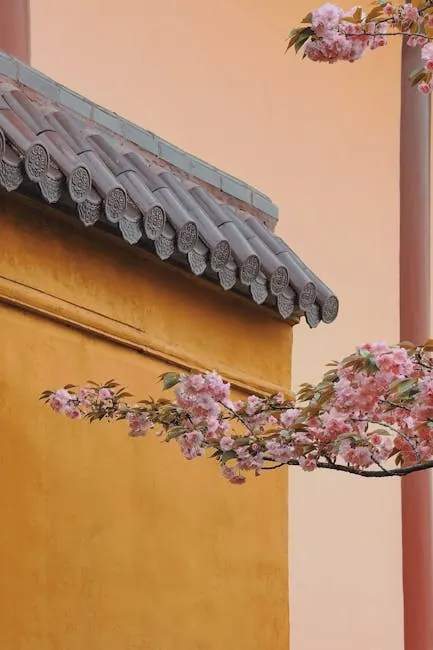
Christchurch Botanic Gardens mixes European-style greenhouses, ponds, and wide lawns with cherry trees that bloom in early spring down under. Bridge reflections, curving pathways, and glasshouse silhouettes offer varied backdrops for petal shots, and the cedar-lined avenues yield colorful contrast against native flora.
Check southern-hemisphere bloom calendars — seasons flip, so spring months differ from the north. Early morning light and calm ponds provide mirror shots, while a midrange lens covers both landscape vistas and close floral studies; explore adjacent Hagley Park for extra layered compositions.
Himeji Castle grounds: fortress framed by blossoms
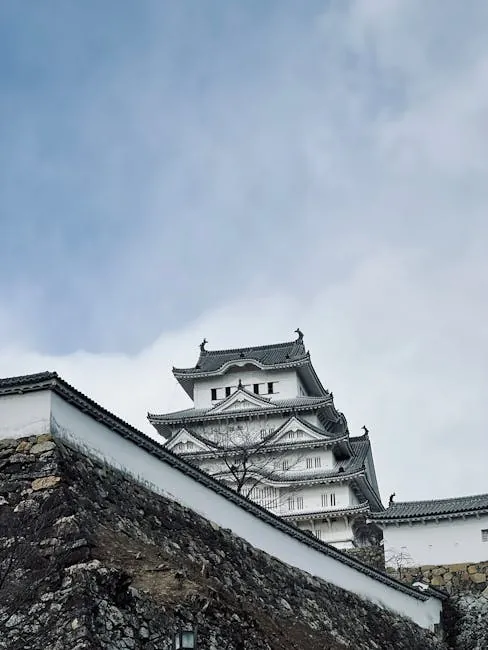
Himeji Castle’s white plaster walls and sweeping roofs contrast beautifully with surrounding cherry trees, providing classic postcard compositions. Wide moats, stone walls, and arched bridges allow framing of the castle rising above pink canopies, while garden terraces offer multi-level vantage points for varied perspectives.
Early morning light and fewer visitors help capture clean skyline silhouettes; telephoto compression tightens blossom clusters around turrets. Use paths near Koko-en Garden for intimate courtyard shots and bring a polarizer to cut glare on moat water when creating reflection compositions of the castle and blooms.