Key Takeaways
- Acetaminophen and Paracetamol are two names for the same medication, widely used as analgesics and antipyretics.
- The terms primarily differ by regional usage, with “Acetaminophen” common in North America and “Paracetamol” used internationally.
- Both names share identical chemical properties, mechanisms of action, and safety profiles when used appropriately.
- Understanding the naming conventions is important for navigating healthcare systems and medication labeling across different countries.
- Despite the different names, healthcare providers globally recognize both as equivalent medications for pain and fever relief.
What is Acetaminophen?

Acetaminophen is a widely used medication for reducing fever and alleviating mild to moderate pain. It is a staple in many North American households and pharmacies, often found over-the-counter under various brand names.
Usage and Indications
Acetaminophen is commonly employed to treat headaches, muscle aches, arthritis, backaches, toothaches, colds, and fevers. Its effectiveness in these conditions makes it one of the most frequently recommended analgesics by healthcare professionals in the United States and Canada.
Parents often administer acetaminophen to children for fever reduction because it is generally considered safe at recommended doses. It serves as an alternative to nonsteroidal anti-inflammatory drugs (NSAIDs) for individuals who cannot tolerate those medications.
Pharmacological Profile
The drug works primarily in the central nervous system by inhibiting cyclooxygenase enzymes, which helps reduce pain and fever. Unlike NSAIDs, acetaminophen does not exhibit significant anti-inflammatory effects, which influences its usage for inflammation-related pain.
Its metabolism occurs mainly in the liver, where it is processed through several pathways, including conjugation and oxidation. In excessive doses, a toxic metabolite can accumulate, posing risks of liver damage.
Formulations and Availability
Acetaminophen is available in various forms, including tablets, capsules, liquids, suppositories, and intravenous preparations. These diverse formulations facilitate its use across different patient groups, from infants to adults requiring hospital care.
Over-the-counter availability makes acetaminophen accessible, but it is also included in many combination medications for cold and flu symptoms. This widespread inclusion necessitates careful attention to dosing to prevent accidental overdose.
Safety Considerations
While acetaminophen is safe when used correctly, exceeding the recommended dose can cause severe liver injury. Public health campaigns in North America emphasize the importance of adhering to dosage guidelines and avoiding concurrent use of multiple acetaminophen-containing products.
Drug interactions are relatively limited, but caution is advised when used alongside medications that affect liver function. Patients with chronic liver disease or heavy alcohol use should consult healthcare providers before use.
What is Paracetamol?
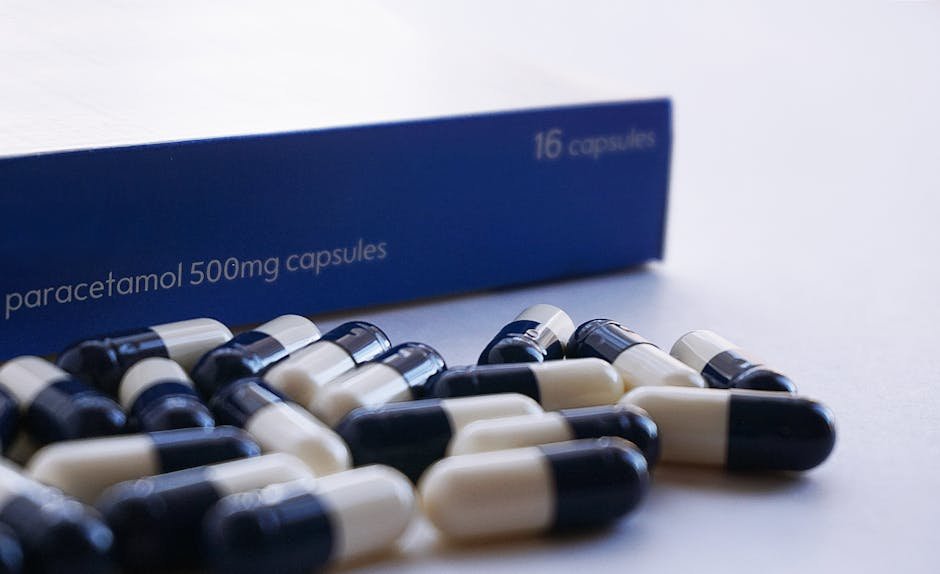
Paracetamol is the international nonproprietary name for the same compound known as acetaminophen in North America. It serves as a standard medication for pain relief and fever reduction globally, especially in Europe, Asia, Africa, and Australia.
Global Distribution and Terminology
The term “Paracetamol” is derived from its chemical name, para-acetylaminophenol, and is the preferred nomenclature in the World Health Organization’s essential medicines list. It is the term used by healthcare providers and pharmacists in most countries outside North America.
Despite the different name, paracetamol is universally recognized in medical literature and clinical guidelines worldwide. This shared understanding facilitates international cooperation in public health and pharmaceutical manufacturing.
Clinical Applications
Paracetamol is widely recommended for managing mild to moderate pain from conditions such as osteoarthritis and menstrual cramps. It is also a common choice for treating febrile illnesses in both adults and children due to its favorable safety profile.
In many countries, paracetamol is the first-line treatment for pain in primary care settings, often preferred over NSAIDs for patients with gastrointestinal or cardiovascular risk factors. Its use extends to postoperative care protocols as well.
Manufacturing and Accessibility
Paracetamol is produced by numerous pharmaceutical companies worldwide, often under various brand names and generic labels. Its affordability and over-the-counter status make it a critical component of essential medicine supplies in resource-limited settings.
Efforts to ensure widespread accessibility include fortifying paracetamol availability in rural and underserved areas, especially where access to healthcare is limited. This enhances its role in global health initiatives targeting common illnesses.
Regulatory and Safety Standards
Regulatory agencies internationally regulate paracetamol dosages and formulations to prevent misuse and adverse effects. Labeling standards often emphasize maximum daily dosages and warnings about potential liver toxicity.
In some countries, restrictions exist on the maximum pack size sold over the counter to reduce the risk of intentional or accidental overdose. Education campaigns parallel these measures to raise awareness among consumers.
Comparison Table
The table below outlines key aspects that distinguish how Acetaminophen and Paracetamol are perceived and utilized across different regions and contexts.
| Parameter of Comparison | Acetaminophen | Paracetamol |
|---|---|---|
| Common Usage Region | Primarily North America (USA, Canada) | Europe, Asia, Africa, Australia, most of the world |
| Official Naming Authority | United States Adopted Name (USAN) | International Nonproprietary Name (INN) |
| Brand Name Recognition | Tylenol, Excedrin (contains acetaminophen) | Panadol, Calpol, and generic labels |
| Pharmaceutical Formulations | Wide range including IV forms common in hospitals | Mostly oral and suppository forms widely available |
| Public Awareness Campaigns | Focused on overdose prevention and liver safety | Emphasis on dosing instructions and avoiding multi-product use |
| Regulatory Restrictions | Pack size limits less common, but warnings prominent | Pack size restrictions common to reduce overdose risk |
| Common Combination Products | Often combined with opioids or cold remedies | Combined with NSAIDs or cough suppressants in many countries |
| Perceived Safety Profile | Considered safe with strict adherence to dosage | Regarded as safe, with strong regulatory oversight |
| Availability in Pediatric Formulations | Liquid suspensions and chewables widely used | Commonly available as syrups and suppositories for children |
Key Differences
- Regional Terminology Usage — “Acetaminophen” is predominantly used in North America, while “Paracetamol” is the standard term elsewhere.
- Regulatory Naming Authority — Acetaminophen is designated by USAN, whereas Paracetamol is recognized internationally by the WHO and INN systems.
- Brand Identity — Different brand names market the same compound under each term, influencing consumer recognition by region.
- Packaging Regulations — Many countries using “Paracetamol” impose stricter limits on over-the-counter pack sizes to mitigate overdose risks.
- Public Health Messaging Focus — North American campaigns highlight liver toxicity risks specifically with acetaminophen, whereas global campaigns stress proper dosing and avoiding polypharmacy.